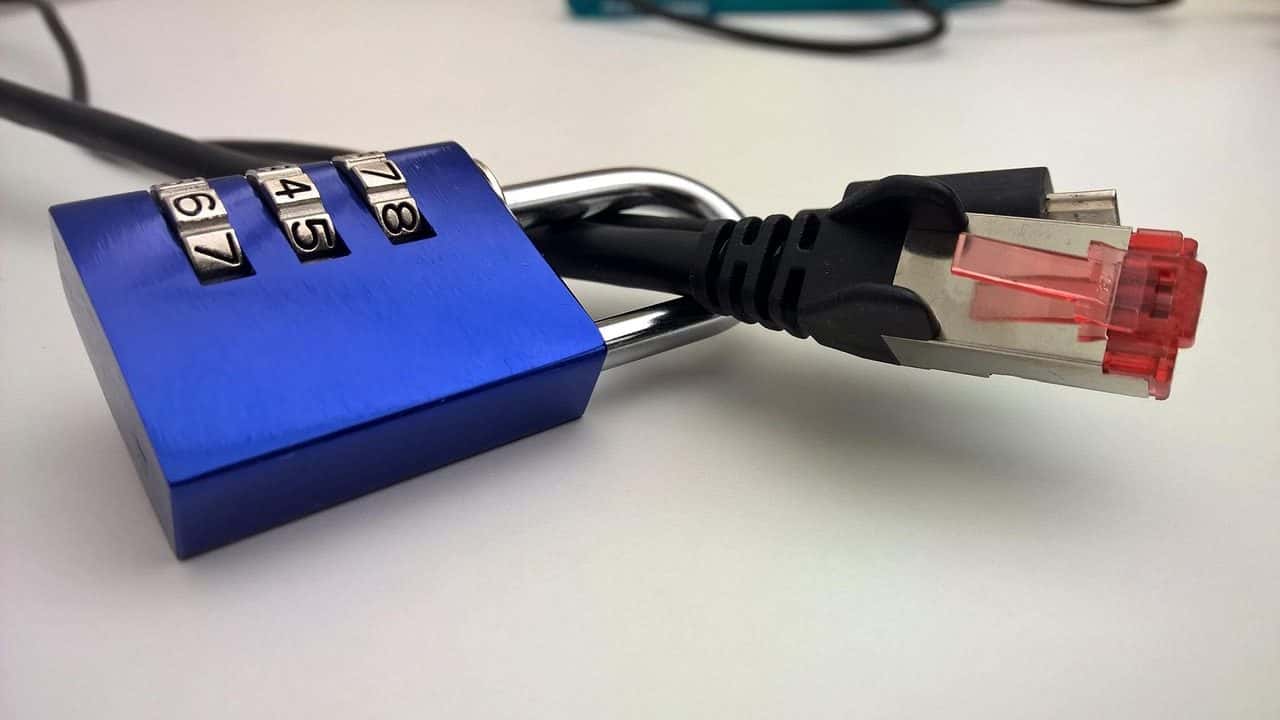
When a cloud service says your files are "encrypted," the crucial question is who can decrypt them. With most mainstream services, the answer is: the provider can. Client-side encryption flips that - your files are scrambled on your own device before they ever leave it, so the company stores data it genuinely cannot read. This guide explains how it works, how it differs from ordinary server-side encryption, its honest trade-offs, and which services actually do it.
What client-side encryption is
Client-side encryption means the encryption happens on the client - your phone or computer - before your data is uploaded. The key that locks and unlocks your files is derived from your password and stays on your device. The server never receives it.
The result: when you upload a file, the provider only ever holds ciphertext - a scrambled blob it cannot open, scan, index, or hand over in readable form. This is the technical mechanism behind the "zero-knowledge" and "end-to-end encrypted" labels you see on privacy-focused storage.
How it works, step by step
- You type your password into the app. From it, the app derives an encryption key - locally. Cryptomator, for example, documents deriving that key with scrypt, using a cost parameter of 32768 and a block size of 8, values chosen to make brute-forcing the password slow.
- Before any upload, the app encrypts the file on your device with that key.
- Only the ciphertext is sent to the server (still over TLS, so it's encrypted in transit too).
- When you open the file, the ciphertext comes back and is decrypted on your device with your key.
At no point does the readable file - or the key - exist on the provider's servers. That's the whole point: the service is a courier for sealed envelopes it can't unseal.
Client-side vs server-side encryption
This is where most "is it private?" confusion lives:
- Server-side encryption - your file is uploaded, then the provider encrypts it on its servers with keys it controls. Good against outside hackers and stolen disks, but the provider can still read, scan, or disclose your data. This is the default for Google Drive, Dropbox and iCloud.
- Client-side encryption - your file is encrypted on your device first, and only you hold the key. The provider stores ciphertext it cannot read. Good against hackers and the provider itself (and the legal demands it can be served).
The single difference that matters is who holds the key. For the storage-model version of this distinction, see end-to-end vs zero-knowledge cloud storage.
What it protects - and what it doesn't
Protects: the contents of your files from the provider, its staff, anyone who breaches its servers, and anyone who legally compels it. They all see only ciphertext.
Doesn't, generally:
- Some metadata - depending on the service, file sizes, timestamps, or folder structure may still be visible to the provider even when contents aren't. Size in particular leaks because ciphertext tracks plaintext closely: Cryptomator splits content into chunks of up to 32 KiB and adds 28 bytes to each (a 12-byte nonce plus a 16-byte authentication tag), so the encrypted file is only marginally larger than the original.
- A compromised device - if malware or someone with access uses your unlocked device, encryption is bypassed at the point where files are decrypted: the endpoint.
- A lost password - because only you hold the key, there's usually no recovery if you lose your password and recovery key (see the FAQ). True privacy and "the provider can reset it for me" are mutually exclusive.
Client-side encryption is powerful, not total - it secures your data at rest and in transit, not the devices that hold the keys.
Which services actually do it
Some build it in by design; with others you add it yourself:
- Built in - Proton Drive and Tresorit encrypt on the device by default; pCloud offers it via the optional Crypto add-on; MEGA applies it across the account.
- Add it yourself - tools like Cryptomator or VeraCrypt create an encrypted vault on top of any cloud, so files are client-side encrypted before they sync. See our Cryptomator vs VeraCrypt comparison, or our step-by-step guide to how to encrypt a file.
Mainstream Google Drive, Dropbox and iCloud are generally server-side by default. If privacy from the provider matters, look specifically for client-side, end-to-end or zero-knowledge. Compare options in our best free encrypted cloud storage guide.
Related guides
To dig deeper, see what zero-knowledge encryption is.
Client-side encrypted storage → pCloud + Crypto
Swiss jurisdiction · Files encrypted on your device with the Crypto add-on (zero-knowledge) · Lifetime plans
How to check a service really does it
Marketing language is slippery. A few honest checks:
- Does it say "client-side", "end-to-end" or "zero-knowledge" - not just "encrypted" or "secure"?
- Does it warn that a lost password means lost data? That warning is a good sign - it means they can't reset it, so they can't read it either.
- Is the encryption on by default, or an add-on (like pCloud Crypto) you must enable?
- Is the client open source or independently audited? Verifiable code beats a promise.
If a provider can show you your files after a simple "forgot password" email, your data was never client-side encrypted.
The bottom line
Client-side encryption is the mechanism that makes "private" cloud storage actually private: your files are locked on your own device, and only you hold the key, so the provider stores ciphertext it can't read. It beats ordinary server-side encryption because it protects against the provider itself - at the cost of real responsibility for your password. For genuinely private storage, look for client-side / zero-knowledge by design, or add it yourself with a vault tool. To understand the broader picture first, start with what cloud storage is.
Editorial guide based on how client-side encryption works (on-device keys, ciphertext-only storage) and its documented trade-offs (metadata, endpoint security, no password recovery). The commercial link carries the rel="sponsored nofollow" attribute; an affiliate commission may apply at no extra cost to you.
Related reading: Resetting Your Password and Recovering Your Data Are Two Different Things
The weakest link is rarely the cloud
Client-side encryption protects the file once it leaves your machine. It does nothing about the two openings most people actually get caught by: an account taken over through a convincing email, and habits that leave the same key lying under several doors.
Both are measurable, free, in under two minutes, without giving us anything about you:
- Phishing resistance, ten real techniques (homoglyphs, deceptive subdomains, double extensions), spot the fraud. Three of the ten are legitimate, so it is not a reflex test.
- Attack surface, ten questions on habits, and the archetype they add up to.
These are ours, and the links are nofollow on purpose: encryption is worth what your account
access is worth, and that is what these measure.
Frequently asked questions
- What is client-side encryption?
- Client-side encryption means your data is encrypted on your own device - the client - before it is sent anywhere. The encryption key is derived from your password (or a key file) and stays on your device; the server never receives it. So when you upload a file, the provider stores only scrambled ciphertext it cannot open, scan, or hand over in readable form. It's the technical mechanism behind 'zero-knowledge' and 'end-to-end encrypted' storage: the service carries your data without ever being able to read it.
- What's the difference between client-side and server-side encryption?
- With server-side encryption, your file travels to the provider (over TLS), and the provider encrypts it on its servers using keys it controls. Because the provider holds the keys, it can technically read, scan, or disclose your data under legal compulsion. With client-side encryption, the file is encrypted on your device first, and only you hold the key - the provider stores ciphertext it genuinely cannot open. Server-side protects against outside hackers; client-side also protects against the provider itself and anyone who can compel it.
- Is client-side encryption the same as end-to-end encryption?
- They overlap heavily. Client-side encryption describes where the encryption happens - on your device, before upload. End-to-end encryption describes the journey - data is readable only at the endpoints, never in between. In practice, a zero-knowledge cloud implements client-side encryption so that the data stays end-to-end protected: encrypted on your device, decrypted only on your devices, ciphertext everywhere in between. The common thread is simple: only you hold the key.
- What happens if I forget my password with client-side encryption?
- This is the honest trade-off. Because only you hold the key and the provider never sees it, there is usually no password reset that recovers your data - if you lose the password (and any recovery key the service issued), the encrypted files are effectively unrecoverable. That's the flip side of true privacy: a provider that can reset your password to restore your files is a provider that could also read them. With client-side encryption, store your password and recovery key safely, ideally in a password manager.
- Which cloud services use client-side encryption?
- Several do it by design: Proton Drive and Tresorit encrypt on the device by default; pCloud offers it through its optional Crypto add-on; MEGA applies it across the account. You can also add client-side encryption yourself on top of any cloud using tools like Cryptomator or VeraCrypt, which create an encrypted vault before files sync. Mainstream Google Drive, Dropbox and iCloud are generally server-side by default - the provider holds the keys - so look specifically for 'client-side', 'end-to-end' or 'zero-knowledge' if privacy from the provider matters.
Store your files privately → pCloud
Swiss privacy · 10 GB free · optional zero-knowledge Crypto


